

Every November, someone enters a kitchen, opens the refrigerator, and discovers they neglected to purchase fresh cranberries. It occurs more frequently than people acknowledge. Nevertheless, the sauce manages to reach the table—often in a better state than it would have otherwise. The unspoken reality of cranberry sauce, which is made with orange juice and dried cranberries, is that it often surprises people.
The flavor of dried cranberries is more concentrated than that of fresh ones. Fresh berries can only hint at the intensity that remains after the water has already been extracted. They plump back up but maintain their shape rather than crumbling into a murky mush when you put them in a saucepan with cranberry juice and let them rehydrate gradually. Most people are unaware of this minor detail until they compare the two side by side.
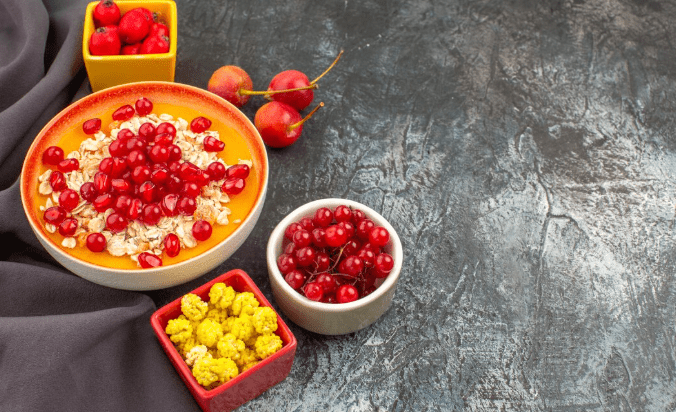
Perhaps the key to making the whole thing work is the orange juice. Orange juice should ideally be freshly squeezed, with the zest scraped off before the orange is cut, rather than from a carton kept in the refrigerator for a week. Juice by itself cannot provide the aromatic oils found in the zest. Without it, the sauce tastes technically good but somewhat flat, like a slightly blurry picture. When you add the zest, everything becomes sharper.
Given what you end up with, it’s pretty amazing that most versions of this recipe can be prepared in twenty minutes. The simple recipe calls for sugar, orange juice, orange zest, dried cranberries, cranberry juice, and a tiny bit of cornstarch to help achieve the desired jammy thickness. You can skip the cinnamon. Some chefs vouch for it. Others discover that it pushes the sauce too far in the direction of warming spices, competing with the food it is served with.
This version’s year-round accessibility is what makes it so intriguing. In the fall, fresh cranberries bloom for about eight weeks before disappearing. Every month of the year, dried cranberries are found in supermarket aisles without any fanfare or ceremony. The seasonality of fresh cranberries may have always been more of a marketing limitation than a culinary one; dried cranberries have been subtly producing the same outcome without the fuss.
The sauce goes well with the obvious: pork tenderloin, turkey, and roast chicken. It sounds strange until someone tries it at a party and you see the plate vanish in less than ten minutes, but it also works as an appetizer spread over a block of cream cheese with crackers. People never fully comprehend that a saucepan and dried fruit were the beginning of what they are eating.
This is a noteworthy example of how recipes change under real-world pressure. The majority of families’ cranberry sauce began as a fix for an issue rather than as a thoughtful culinary choice. Something ran out for someone. Someone made it up on the spot. And when a relative asks why it tastes different this year, the improvisation proves to be good enough to be repeated, improved, and eventually defended at the table. Better, but different. It usually works like that.
