

Every grandmother in Italy knows how to make a dish that almost no one outside of Italy looks up to enough. Nothing is in a jar or canned, not even cream. You only need good olive oil, a few garlic cloves, a pot of salted water that is boiling, and the quiet confidence that comes from being older. Pasta aglio e olio, which means spaghetti with garlic and oil, is without a doubt the most honest pasta sauce there is. And getting the hang of making a light pasta sauce with olive oil right is one of those kitchen moments that changes the way you cook forever.
It sounds like the premise is almost too simple to work. You’re cooking thinly sliced garlic in olive oil over low heat, watching it turn the palest shade of gold. Then, with a splash of pasta water and some tossing, you’re able to make it into a sauce that coats every strand of spaghetti in a way that tastes rich without being heavy. It doesn’t sound likely. It’s not.
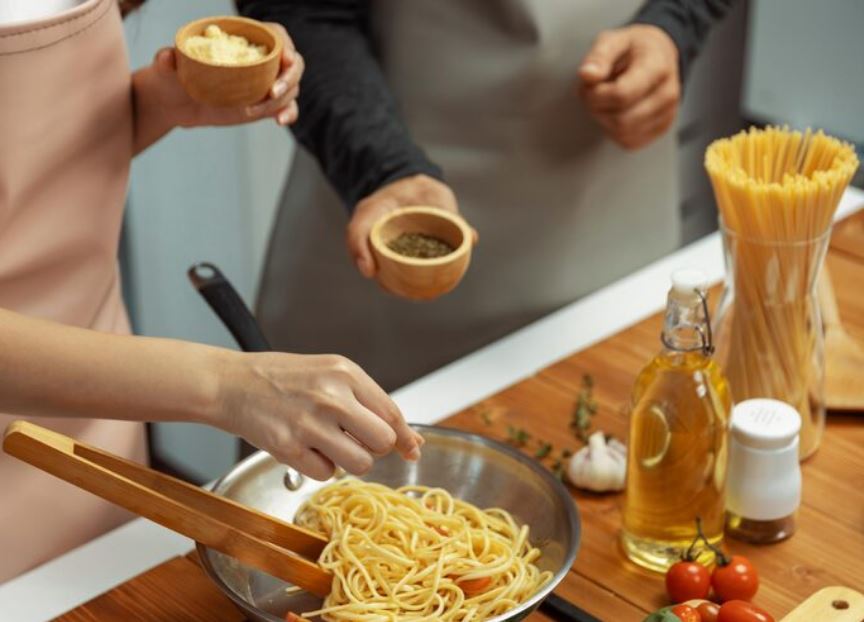
The garlic needs to be the first thing that gets proper care. In a thirty-second time frame, high heat, a pale pan, and too many people rush it. That makes things bitter, not tasty. You need to be patient instead. Put oil in a wide skillet over medium-low heat. Add garlic slices (not minced or crushed); cook them slowly for four or five minutes, until they just start to turn color. At that point, the kitchen smells great. Just the smell is worth the work.
A pinch of red pepper flakes can be added along with the garlic, but most people find it necessary. It doesn’t really make the food spicy, but it does make it warmer and more complex. When they go in, the taste changes in some way. It’s still an oil and garlic sauce, but it says a few more things.
A lot of people lose it in the pasta water. Before you drain the spaghetti, which should be just barely al dente, you should save a large cup of the cooking water. What changes the oil from a greasy film to something that emulsifies, that clings and shimmers instead of pooling at the bottom of the bowl, is this cloudy, starchy liquid. The dish is too oily without it. It’s a sauce with it. It’s all about that difference.
The heat goes up when the pasta goes into the pan, and tossing starts. Add a few tablespoons of pasta water and keep moving the pasta around. If it looks like it’s drying out, add another splash of water. Keep an eye out for the time when the oil and liquid combine to make a pale, creamy layer on top of the noodles. It takes less time than expected. Adding a little fresh, fruity olive oil at the end brings the whole thing back to life.
After that, it gets personal. Some people put a handful of chopped parsley on top. Some people grate Parmesan over the top, which would make purists cringe. Others take it a step further by adding grape tomatoes, artichokes that have been marinated, olives, and a little lemon zest. This makes it more like the original in the Mediterranean, still light and based on olive oil but brighter and more colorful. That direction is fine. The base is what holds everything together.
It’s hard not to feel a little happy the first time everything fits together right. It’s not hard; it’s just that something so simple, made from things most people already have, can taste like it was cooked by someone.
