

When a jacket potato is cooked correctly, there’s a certain satisfaction that comes from the skin crackling under a fork, steam rising off the floury white center, and a pool of butter already vanishing into the cracks before the beans even come out of the tin. It’s one of those fundamental British skills that no one really needs to learn, but for some reason, everyone seems to be making a small mistake. It turns out that the air fryer alters things in a way that is genuinely hard to ignore.
Most people struggle with the timing question. Depending on the size of the potato and the specifics of your machine, cooking at 200°C should take about 40 to 55 minutes. Medium-sized baking potatoes, such as King Edward or Maris Piper, are the obvious choices, and they typically take 45 to 50 minutes. Bigger ones require tolerance. Raising the temperature to speed things up is tempting, but it usually results in a half-raw interior with burned skin, which is possibly worse than waiting.
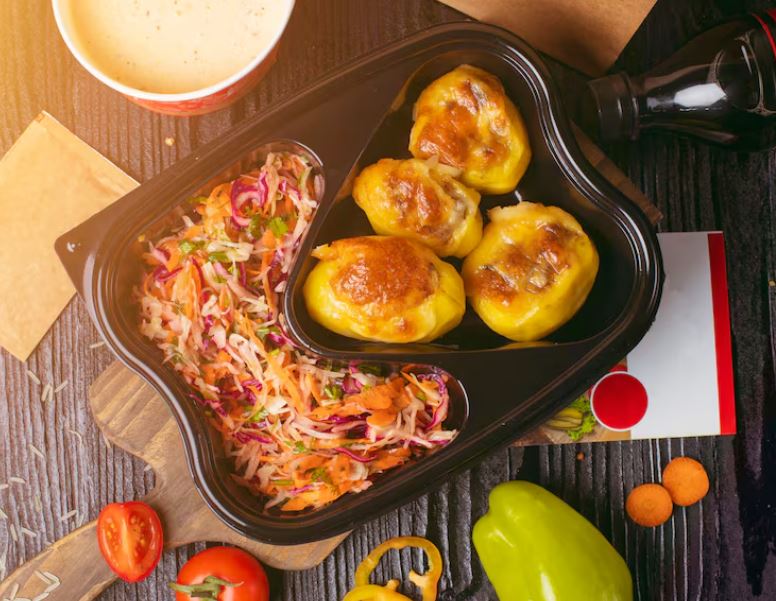
It’s important to be aware of a workaround. Before the air fryer turns on, soften the inside of the potato by microwaving it for five to eight minutes for a single potato, eight to ten minutes for a batch of four, turning halfway through. The skin then gets the crispness that most people really want after 15 to 20 minutes in the basket. The results are genuinely difficult to distinguish from the longer method, and the total time is significantly reduced. Whether or not that seems like cheating probably reveals something about how you feel about cooking.
Small details are more important than most people realize. There is a discernible difference when the potatoes are properly cleaned and dried before cooking. It’s not strictly necessary to rub the skin with olive or sunflower oil and a pinch of salt, but it gives the skin flavor and advances the crispness in a way that plain potatoes never quite manage. It is not an option to completely omit the foil—wrapping potatoes in foil in an air fryer traps steam, which is the opposite of what you want. Cooking time can be shortened by several minutes by inserting metal skewers through the center, which conduct heat inward. It’s a tried-and-true method.
The majority of the true enjoyment is found in the combination of cheese and beans. It’s difficult to ignore the fact that this is one of those dishes that exists entirely outside the logic of trend cycles: hot baked beans (the canned variety, straight from a saucepan) poured over a split potato and topped with grated cheddar that melts on contact. It does not need updating. During the week, when turning on a full oven for a single potato feels truly wasteful in a way that it might not have ten years ago, there’s a sense that the air fryer version has actually made this dish more accessible.
If there is enough room for air to circulate between each medium potato, most air fryers can easily accommodate four of them. The crispness is lost when they are crammed in. You can reheat leftover cooked jacket potatoes in the oven, microwave, or air fryer and store them in the refrigerator for three to four days. They can also be frozen for up to three months and reheated in the microwave until thoroughly heated.
All in all, it’s still a modest dish. However, on practically any weeknight, the air fryer version of it, when properly timed and not hurried, makes a compelling case.
FAQs
Q1: How long does an air fryer jacket potato with cheese and beans take?
Cook at 200°C for 40–55 minutes depending on potato size and machine.
Q2: Can I speed up the cooking time?
Microwave first for 5–10 minutes, then air fry for just 15–20 minutes.
Q3: Should I wrap the potato in foil?
Never — foil traps steam and prevents the skin from crisping properly.
Q4: Which potato variety works best in the air fryer?
Maris Piper, King Edward, or Desiree give the fluffiest, most satisfying results.
Q5: How long can I store a cooked jacket potato?
Refrigerate for up to four days or freeze for up to three months.
