

The majority of home bakers have experienced this: mid-recipe, wearing an apron, mashing three brown bananas in a bowl, and discovering that the butter is spreadable rather than the solid block the recipe called for. It makes sense to ask whether it truly matters.
In summary, spreadable butter will function in the oven, but it will act differently than a regular stick. Spreadable butter, which comes in tubs, is kept soft enough to spread right out of the refrigerator by blending it with oil, sometimes canola, sometimes vegetable. When heat is involved, it is precisely that oil content that modifies the equation.
The fat and water contents of solid butter are the foundation of standard baking recipes. The batter gets a little wetter, the fat ratio changes, and the final loaf may feel a little denser or softer than anticipated when you add a spread that has been loosened with oil. Most of the time, there won’t be much of a difference—your banana bread won’t turn out gummy or unpalatable—but the texture will be very different from that of a block of unsalted butter.
Another issue that surprises people is the salt problem. The majority of butters that can be spread are salted. If you add a full cup of salted spread to bread that already calls for a quarter teaspoon or more of salt, the bread may end up tasting somewhat off—not quite salty, but also not quite right. The solution is straightforward: use salted spreadable butter with less or no added salt.
In fact, companies like Country Crock and I Can’t Believe It’s Not Butter have released banana bread recipes created especially for their spreads, indicating that the substitution isn’t intrinsically bad; it just needs to be deliberate. Although a longer bake time was occasionally required, bakers have noted that the loaf came out moist and held together well in one version on Allrecipes that calls for a full cup of the spread. It is plausible to argue that a recipe created with the spread in mind from the beginning will perform better than one in which it has been hurriedly added.
A product that is more margarine than butter should be avoided; these are highly processed vegetable oil blends with a long ingredient list and an artificially buttery flavor. These may give baked goods an oily, slightly waxy aftertaste. A dairy-based spread is a significantly better option if real cream is still listed as one of the primary ingredients. Before assuming that all tub butters are the same, it’s important to read the label.
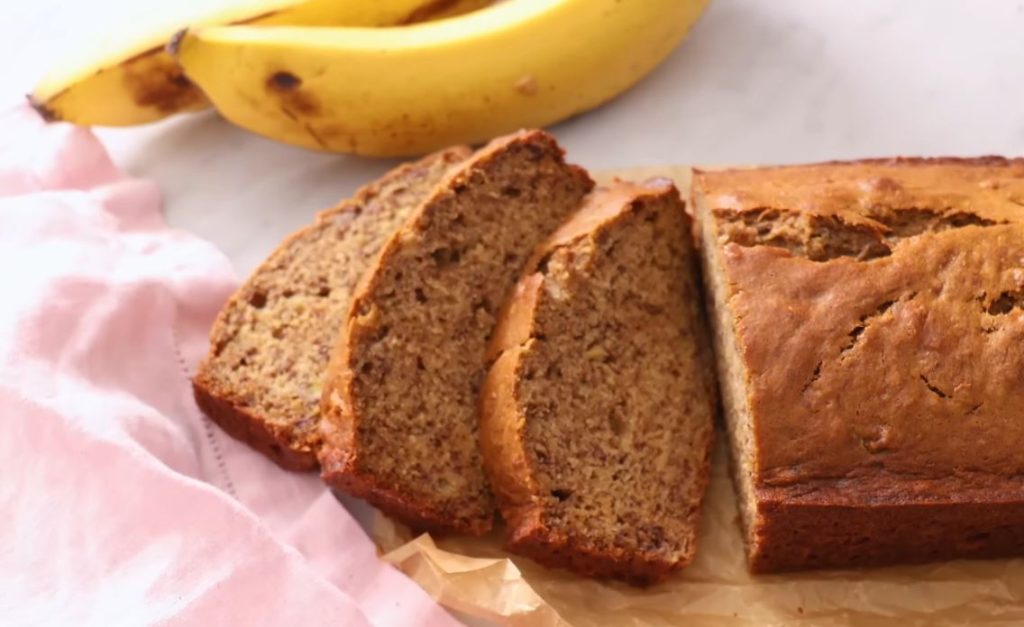
There are a few useful things to be aware of if you’ve already committed to the swap and the batter is in the pan. The loaf might require an additional five to ten minutes in the oven. In this instance, a toothpick in the middle is more trustworthy than a clock. The inside can finish cooking without the crust becoming too dark if you cover the top loosely with foil in the last stretch.
Bakers may be being a little dogmatic when they say spreadable butter has no place in baking. In actuality, it depends on the type of spread, quantity, and whether the recipe was designed with it in mind. Particularly for banana bread, which is a forgiving, moisture-friendly loaf, there is more room for error than in a more technically demanding dish like a croissant or shortbread.
Therefore, if you have to choose between using the tub in the refrigerator and giving up on the project altogether, use the tub. Simply adjust your expectations, keep an eye on the salt, and extend the baking time by a few minutes.
