

On a Saturday morning, the same plate—sourdough, a smear of avocado, and two poached eggs just waiting to be cracked open—arrives at half of the tables in practically every British café. That golden spill is now practically a national emblem. This is precisely why the warning issued by the Food Standards Agency on Friday was more impactful than the majority of food safety notices.
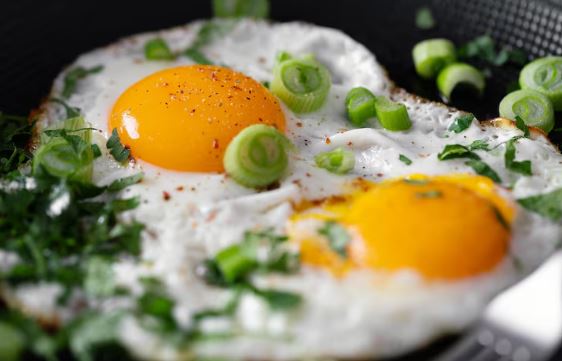
On paper, at least, the advice is limited. When dining out, runny or undercooked eggs should be avoided by children under five, those over 65, pregnant women, and anyone with a medical condition. Eggs cooked to perfection are acceptable. Eggs from the supermarket are good.
However, the statistics supporting that advice are not insignificant: 207 confirmed cases, one fatality, and approximately 38% of infected individuals ending up in hospitals. Bloodstream infections occurred in two individuals. The chief scientific adviser for the FSA, Prof. Ian Young, called the outbreak “unusually large” and advised people to exercise caution. That sounds almost alarming coming from a regulator who typically speaks in cautious, hedged sentences.
Where the trail appears to lead is what makes this outbreak awkward. Every case appears to belong to the same cluster, according to genetic testing, and investigators consistently find the same detail: the restaurants in question were purchasing eggs from overseas. Due to the Edwina Currie scandal of 1988, which almost brought down the domestic egg trade and forced the industry into the British Lion scheme, British flocks are regularly vaccinated against common Salmonella strains. Now that the vaccination program is working quietly and covertly, it appears that catering suppliers who import cheaper eggs may have gone beyond its protection.
There’s a story about economics hidden here that no one is talking about. For the past three years, food service margins have been extremely harsh. Wages, rent, and energy. When a bulk supplier offers pallets of eggs at a lower unit price, neither the customer eating a muffin drenched in hollandaise nor the kitchen manager under pressure will necessarily inquire as to where they came from.
The British Egg Industry Council’s Mark Williams advised diners to just inquire as to whether British Lion eggs are being used. Sensible guidance. It’s also a little optimistic because most people who order brunch at 10 a.m. don’t question the waiter about supply chains.
Salmonella is a common and unglamorous bacteria. Eggs and chicken have the reputation they do because the bacteria that live in the guts of cattle, pigs, and poultry are harmless. A few bad days with cramps, diarrhea, vomiting, and fever are typically indicative of an infection. The majority of people recover without receiving any medical assistance. Infants, the elderly, and anyone whose immune system is already preoccupied with fighting something else are at risk. The statistics have an uncomfortable human shape because, according to the UKHSA, the outbreak’s victims range in age from infants to ninety.
What exactly went wrong is still unknown, and that uncertainty is important. Without identifying a manufacturer, a nation, or a distributor, the FSA has identified a likely path—imported eggs used in catering. The UKHSA and other agencies are collaborating on ongoing investigations. Every café that serves soft-boiled eggs is now operating under a vague cloud that it may not deserve because the guidance must be broad until that particular link is confirmed.
There’s a feeling that this will influence behavior more than any formal announcement would. Food-related warnings seldom remain within their intended audience. After reading it, a pregnant woman tells her partner, who then brings it up at work. Similar to how they used to list the provenance of fish and beef, restaurants might begin promoting their Lion Mark on menus. The speed at which a single stamp on a shell can become a marketing asset is difficult to ignore.
It’s unclear if the outbreak has truly peaked. Since last August, cases have been quietly spreading throughout England; they weren’t discovered until genetic sequencing connected them. Handling advice is still stubbornly standard: after handling eggs, shells, or packaging, wash your hands with warm, soapy water and make sure to properly dry them. Effective, unremarkable, and dull.
The eggs in your refrigerator are probably fine for the time being. The ones with the question mark are the ones you didn’t purchase.
