
Almost every British picnic has this question, which comes up right after the chips are gone and someone pulls something round and golden out of a Tupperware container. Which is it? A Scotch egg or a picnic egg? What do they both mean? Depending on who you ask and where they grew up, the answer could be very simple or very complicated.
When used in British food culture, both terms are used with such ease that it seems like everyone knows what they mean. But if you look into it a little, the difference is really interesting, and not just because it has to do with food. It shows how British outdoor eating has changed over the last couple of hundred years.
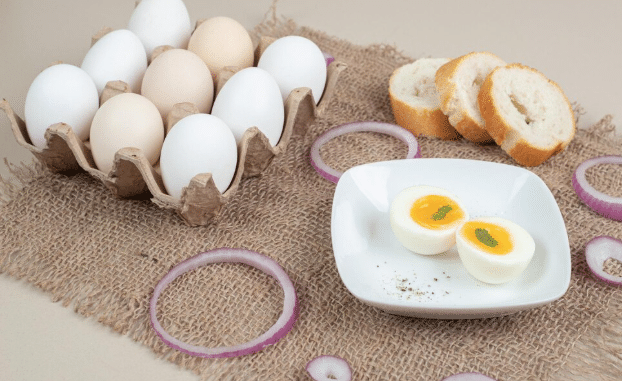
A picnic egg is a type of egg, and a Scotch egg is a specific preparation within that type. What a picnic egg really means is a hard-boiled egg that is kept in its shell until it is time to eat it. We don’t have any breadcrumbs, sausage, or coating.
A strong protein source that comes in its own natural packaging: a calcium carbonate shell that can handle being thrown into the bottom of a bag better than a sandwich ever could. That was the carry-around egg for hundreds of years. They were taken into fields by people who worked. In the Victorian era, they were put in hampers with fruit and cheese. From wherever you stopped, the shell came off, and that was it.
The Scotch egg showed up later and with a lot more work put into it. Fortnum & Mason, a famous London department store for food, says it made the first Scotch eggs in 1738 for wealthy people taking carriage rides. To make the portable egg more substantial, seasoned sausage meat was wrapped around a boiled egg, and the whole thing was covered in breadcrumbs.
The egg was then deep-fried or baked to make it something that could last a long trip and still taste good when it got there. Fornum & Mason says they came up with them in 1738 as a portable snack for aristocrats taking horse-drawn coaches from outside their store on Piccadilly in London to get to their country seats. It’s not clear if that story of how the form came to be (the records from that time were lost), but the store made it very popular.
In addition to flavor, the coating on the sausage actually gave it more strength. The egg stays moist during transport because the meat and breadcrumb shell act as insulation. Of course, the shell is no longer a problem because you don’t have to peel anything and it’s not fragile in any way. A Scotch egg that was dropped into a hamper makes it through the trip. A peeled hard-boiled egg, on the other hand, is just one jolt away from being a mess.
That makes sense from an engineering point of view, which is likely why the Scotch egg slowly took on the picnic egg name over time, until many people started using the two terms interchangeably. They are sometimes called picnic eggs in the UK. In terms of history, the overlap makes sense, even if it’s not quite right.
One more thing to think about is nutrition and purpose. You can also find small versions that are sold under names like “mini Scotch eggs,” “savoury eggs,” “picnic eggs,” “party eggs,” “snack eggs,” and so on. A plain hard-boiled picnic egg is a light snack that is low in calories, easy to digest, and can be eaten with other foods. The Scotch egg, on the other hand, is a meal.
When you add sausage meat and fried breadcrumbs, it goes from being a simple source of protein to something that will fill you up for hours. Some of the reasons the Scotch egg became more popular in culture are because of this change in size. Noticing it is harder.
Fortnum & Mason says that the word “Scotch” in this case does not mean Scotland. Instead, it has to do with a way of cooking called “scotching,” in which anchovies are mixed with meat to make it taste less fatty. Most people who eat one at a pub quiz don’t know that, and it doesn’t really change the experience, but it does show that the name has more to do with food than its obvious geographical meaning would suggest.
It’s not Scottish food. It’s thought to have come from London, England, but it’s possible that boiled eggs wrapped in spiced meat were popular in India long before Fortnum’s claimed to have invented them. Fortnum & Mason in London says they came up with Scotch eggs in 1738, but they may have been influenced by the Mughlai dish nargisi kofta, which means “Narcissus meatballs.”
It’s hard not to notice how far the Scotch egg has come since it was first made as a thing for rich people. The Guardian agrees with this assessment, making a jokey comparison between the egg’s fancy Fortnum & Mason upbringing and modern expressway rest stops, which are the best places to eat while traveling.
That change from a fancy carriage snack to a standard at the gas station shows a real thing about British food culture: how some dishes become more accessible over time, losing their class associations while still being useful. The most basic picnic egg has always been working-class. At first, the Scotch egg was fancy, but over time, it became everyone’s.
Now what do we do? A “picnic egg” is technically any egg that has been prepared to be eaten outside; what makes it a “picnic egg” is that it is portable and self-contained, not how it was prepared. A Scotch egg is like a picnic egg in spirit and purpose, but it’s made, seasoned, coated, and cooked in a way that makes it more complex and filling.
The plain hard-boiled version is still out there, works just fine, and can be found in lunchboxes all over Britain. Most people, though, are looking for the sausage-wrapped, breadcrumbed, golden-crusted version when they reach into a picnic basket for something tasty and easy to hold. The name might have changed. What it does to satisfy hunger hasn’t changed.
FAQs
Q1: What is the difference between a Scotch egg and a picnic egg?
A picnic egg is any portable egg; a Scotch egg is a specific sausage-wrapped preparation.
Q2: Where did the Scotch egg originate?
Fortnum & Mason in London claims credit, dating the invention to 1738.
Q3: Is a Scotch egg the same as a picnic egg?
Every Scotch egg qualifies as a picnic egg, but not the other way around.
Q4: Why is a Scotch egg called “Scotch” if it’s not from Scotland?
The name likely refers to “scotching,” a meat preparation technique using anchovies.
Q5: What makes a Scotch egg better for outdoor eating than a plain boiled egg?
The sausage and breadcrumb coating protects the egg and eliminates messy peeling.
