

When you open a package of breakfast sausage and discover plastic inside, it can be unsettling. It’s not something you could dismiss as a packaging anomaly. Raw pork links that were destined for restaurant kitchens across the nation had hard, transparent plastic embedded in them. This fall, two customers reported exactly that when they bit into Fontanini Pork Sausage Links, or perhaps fortunately noticed before biting into them.
The McCook, Illinois-based meat processing business Fontanini Foods LLC formally recalled about 2,320 pounds of its raw, frozen pork breakfast sausage on September 25, 2026. The announcement was made public by the Food Safety and Inspection Service of the U.S. Department of Agriculture, and the concern seems contained, at least on paper. A single run of production. One item number. Four states. However, the picture becomes a little more nuanced when you slow down and consider where this sausage was going.
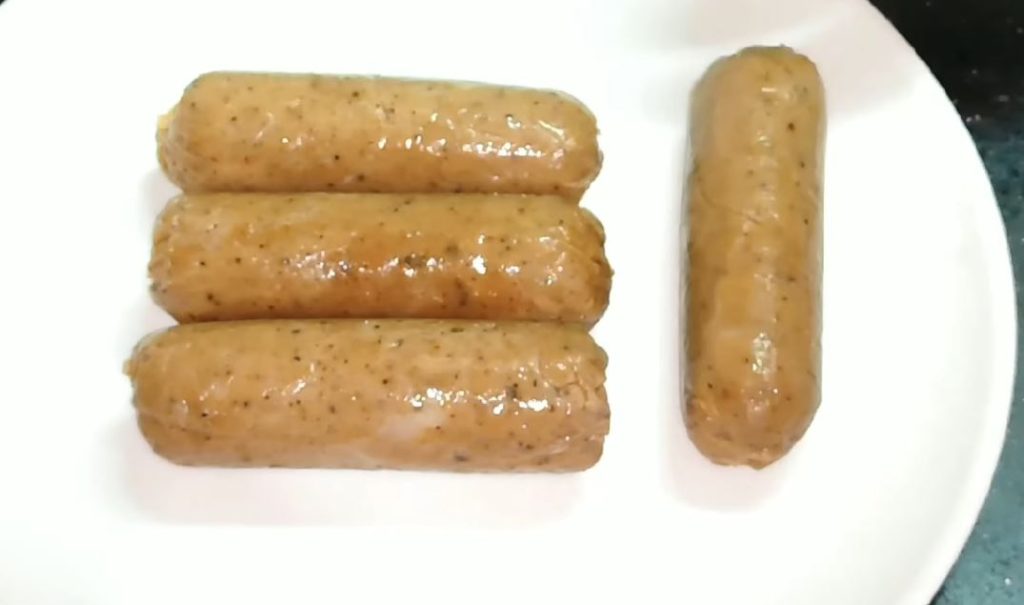
These links weren’t meant to be found on grocery store shelves. They were transported to food service distributors in California, Florida, Michigan, and Nevada with the intention of ending up on breakfast plates in restaurant kitchens and being served to patrons who had no way of knowing what might be inside. This distinction is more important than it may first appear. Customers can inspect their own freezers when a retail product is recalled. The accountability shifts to businesses that might not even be aware that there is an issue when the distribution chain passes through eateries.
Regarding that issue, the USDA was straightforward. The sausage might still be in restaurant freezers, according to a statement released by FSIS, indicating that the agency was not totally certain that word had spread quickly enough through the supply chain. “Item 393” printed on the 10-pound cardboard box and a packed-on date of June 23, 2026 stamped on the shipping label identify the recalled products. The USDA mark of inspection contains the establishment number EST. 6944.
The recall was prompted by two customer complaints. Only two. Although the company has not yet reported any confirmed injuries, it is possible that the number underestimates the actual exposure. However, the list of risks is quite serious: choking, mouth cuts, tooth damage, and possible gastrointestinal harm from swallowed plastic. These risks are serious, especially for young children or senior diners who may be dining at any of the impacted food service establishments.
The familiarity of this type of story is remarkable, and perhaps a little unsettling. The American meat processing industry operates on a massive scale, and recalls involving foreign material contamination—whether it be plastic, metal, or pieces of bone—occur with unsettling regularity. Over 40,000 pounds of Johnsonville ready-to-eat pork sausage were flagged for black plastic fiber contamination in a different recall that occurred just a few weeks ago. These instances are not unique to fringe producers. They are taking place at well-established businesses with regulatory oversight and institutional expertise. That begs serious questions about what precisely is being overlooked.
Beyond what is stated in the FSIS announcement, Fontanini Foods has not made any public statements. How the plastic got into the manufacturing process and when contamination most likely happened have not been disclosed by the company. Although it leaves a gap, that silence may be cautious from a legal standpoint. As these recalls mount, there’s a feeling that the accountability loop could be a little more stringent.
The USDA is advising restaurants and food establishments that might have received the impacted product to either return the sausage to the original distributor for a refund or dispose of it in a sealed, double-bagged trash container. The USDA Meat and Poultry Hotline can be contacted by email at MPHotline@usda.gov or by phone at 888-674-6854. Like most food safety alerts, this recall will go unnoticed by the majority of diners. A few news articles, a line item in a government database, and so on. However, it’s important to acknowledge that the typical restaurant patron has no real insight into the origins of their food, its processing, or any potential quality control issues that may have arisen prior to it being served. That is a persistent issue, but it is not a new one. Now and then, two people discovering hard plastic in their breakfast sausage serves as a reminder to the rest of us that it exists.
FAQs
1. Which company issued the breakfast sausage recall?
Fontanini Foods LLC, based in McCook, Illinois, issued the recall.
2. Why were the pork sausage links recalled?
Two customers found clear, hard plastic pieces inside the sausage.
3. How much sausage was affected by the recall?
Approximately 2,320 pounds of raw, frozen pork breakfast sausage were recalled.
4. Which states received the contaminated sausage?
Distributors in California, Florida, Michigan, and Nevada received the affected product.
5. What should restaurants do with the recalled sausage?
Discard it double-bagged or return it to the distributor for a refund.
