

Something has changed when you walk into practically any café on a British high street these days. The espresso machine’s hiss and the long line at the counter are still familiar, but there’s a bright green option that wasn’t there two years ago, somewhere on the chalkboard, usually near the top and written in confident chalk strokes. Matcha. In addition to matcha lattes, there are matcha tonics, iced matcha, matcha with oat milk, and matcha with a vanilla swirl. Quietly and suddenly, Britain has gone green.
It is supported by the numbers. According to the Financial Times, British matcha revenue in 2025 was about £46 million, more than twice as much as the previous year. Sales are expected to continue rising well into the 2030s. Sales of matcha drinks in the UK have increased by 202 percent in recent years—a figure so sharp that it first appears to be a misprint. It’s not. Matcha is now available at Costa. Greggs sells matcha. Before most people knew they existed, Aldi’s powdered matcha latte sachets went viral on TikTok. It’s important to consider why matcha has arrived at this particular time and what it truly alters about British eating and drinking habits, rather than whether matcha has arrived, which is obvious.
A portion of the response is physiological. Matcha contains an amino acid called L-theanine that modifies how the caffeine is absorbed, in contrast to a double espresso, which delivers caffeine in one hard wallop and leaves many drinkers jittery and deflated by early afternoon. The end effect, according to enthusiasts, is a state of calm alertness—focused without the edge, energized without the crash. Around 900 years ago, Buddhist monks in Japan are said to have discovered this quality and used it specifically to meditate without falling asleep. a may be reaching the same conclusion through a different path, weary and growing skeptical of the cortisol-spiking morning ritual.
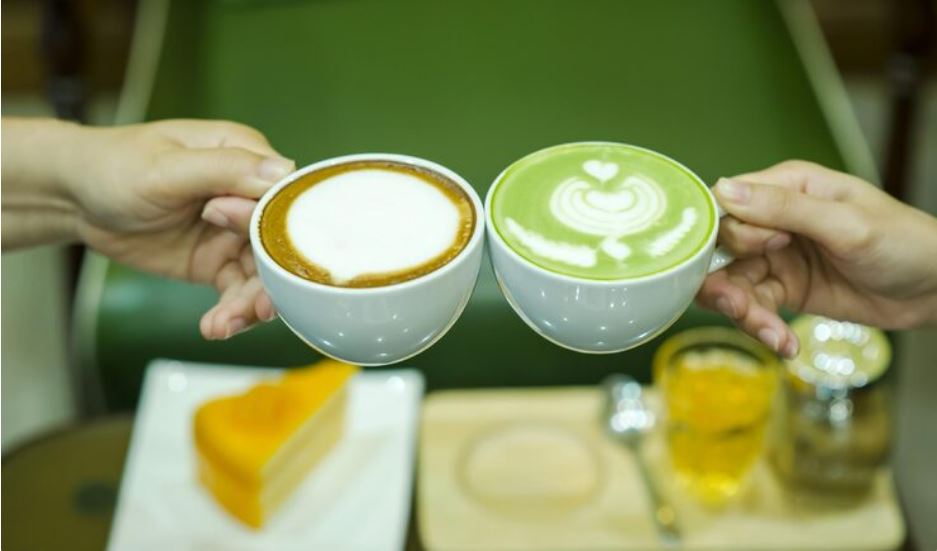
Additionally, there is a feeling that social media accomplished things that no marketing budget could have. Matcha is an eerily visually appealing beverage. The beige and brown hues of the typical British café interior contrast beautifully with its color, a rich, almost electric emerald.
The hashtag #matcha has received tens of millions of views on TikTok. Companies like the New York-based chain Blank Street, which has 24 locations in the UK, have practically centered their visual identity around it. Matcha, with its Japanese heritage, wellness associations, and sheer aesthetic confidence, offers exactly what young consumers, especially those in their twenties, want: a drink that speaks to them.
The speed at which all of this has spread from café culture to the home kitchen is fascinating. Matcha overnight oats, matcha ice cream, matcha cookie dough, and at least three different brands of powdered matcha latte sachets are now available on supermarket shelves, replacing the single ceremonial tin once available for the daring. D2C companies such as PerfectTed have developed whole product lines based on the idea that matcha ought to be as widely available as instant coffee. Although it’s still unclear if all of these products truly capture the essence of matcha—traditionalists in Japan have already voiced concerns about premium powder vanishing into recipes where its flavor is mostly obscured—the demand is clearly genuine.
The distinction between ceremonial-grade matcha, which is bright, smooth, and suitable for drinking straight or in lattes, and culinary-grade matcha, which is slightly more bitter and intended to be folded into baked goods, is more helpful for home cooks. When a teaspoon of culinary matcha is added to pancake batter, cookies, or a straightforward sponge cake, the result is an incredibly eye-catching color and a flavor that is earthy, slightly sweet, and unique. Observing this ingredient’s transition from specialty health food stores to popular British baking seems like one of those gradual changes that only show up in hindsight—the point at which something specialized turns into the norm.
The worldwide picture is more intricate. Matcha prices have skyrocketed, and some suppliers are finding it difficult to keep shelves stocked due to a combination of record-breaking heatwaves in Japan’s tea-growing regions, an aging farming workforce, and an increase in international demand. Before the market settles, there’s a genuine chance that the beverage Britain has fallen in love with will become much more costly or more difficult to obtain consistently. When coffee conquered Britain, it had no such issue, but it had centuries to establish its supply networks.
Beyond trend cycles and TikTok algorithms, it’s difficult to ignore the fact that something real is taking place here. People are genuinely tired of drinks that make them feel worse by noon, genuinely curious about ingredients with proven wellness benefits, and genuinely reconsidering their relationship with caffeine. Despite all the hype, matcha deals with a genuine issue. Nobody can quite answer whether that’s sufficient to make it a permanent fixture in the British kitchen, as opposed to another moment that burns bright and fades.
FAQs
Q1: What makes matcha different from green tea?
You drink the whole leaf, not just the water it soaked in.
Q2: Will matcha give me energy like coffee?
Yes — calmer, longer-lasting, and without the afternoon crash.
Q3: Which matcha grade should I buy?
Ceremonial for drinking, culinary for cooking and baking.
Q4: Is matcha actually healthy?
Evidence is strong, but scientists say more research is still needed.
Q5: Where can I buy matcha in the UK?
Most supermarkets stock it now — M&S, Ocado, Aldi, and online via PerfectTed or Waterloo Tea.
