

A cardboard case of buffalo chicken rangoon that should never have left the warehouse might still be in a restaurant walk-in freezer somewhere in New England. It was labeled with a federal inspection number that doesn’t belong to anyone with a federal grant of inspection, packed 100 pieces per box, and stamped with a sell-by date that extends into 2027. The recall, which covers about 24,900 pounds of frozen buffalo chicken products manufactured by Shanghai Ravioli Corporation, a Boston-based food company, was announced by the U.S. Department of Agriculture on August 26.
Benedetto’s Buffalo Chicken Mozzarella Stick and Buffalo Chicken Rangoon are the two products at the heart of the recall. They were both created between July 8, 2025, and June 29, 2026. Both have the establishment number “EST. 18004,” which the Food Safety and Inspection Service of the USDA claims does not have a federal grant of inspection. The agency designated this as a Class I recall, which is its highest risk designation, indicating that there is a plausible chance that ingesting the product could have detrimental effects on one’s health. As of yet, no confirmed illnesses have been reported.
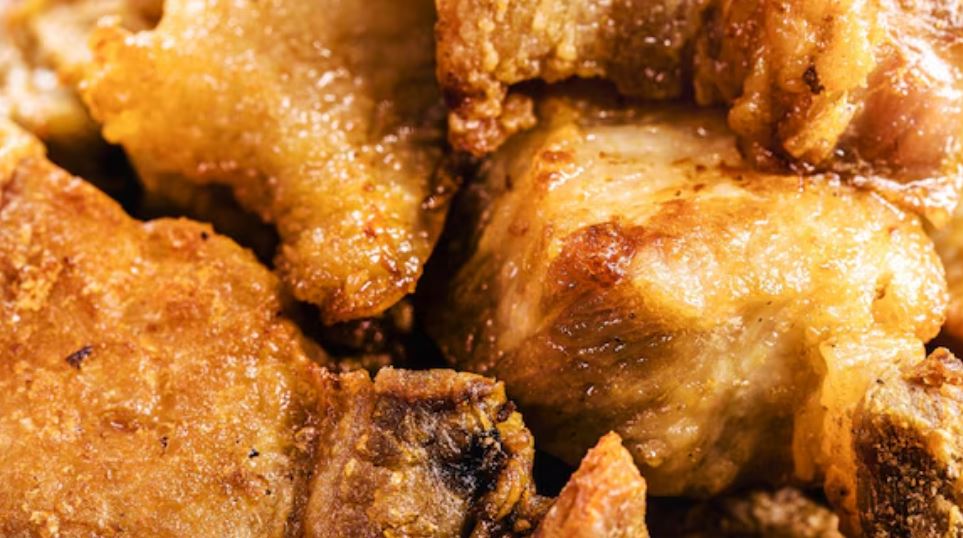
The fact that this recall isn’t about something that was discovered makes it a little more difficult to comprehend. There was no pathogen found. No particular allergen was identified. A whole layer of verification that just never occurred is the subject of the recall. Sanitation, temperature controls, ingredient accuracy, and label truthfulness are all covered by federal inspection of meat and poultry. All of those things are simultaneously unconfirmed when the product is moved without it. That is the exposure—not a single contaminant, but the lack of a system that would have detected a variety of issues.
That has practical implications for buffalo chicken products in particular. Dairy is intentionally present in both breaded mozzarella sticks and rangoons filled with cream cheese. Wheat is usually used in buffalo sauces. Egg and soy are common ingredients in breaded coatings. When a person with a milk allergy ordered these appetizers from a Massachusetts or New Hampshire bar or café, they were depending on a label that no federal inspector had checked. No one has proven that the label was incorrect. The important thing is that nobody verified that it was correct either.
This is a complete foodservice recall, which modifies who must take action and who most likely won’t. Commercial cases containing 100 and 120 pieces were transported in large quantities to restaurants, cafeterias, and institutional kitchens in Maine, Massachusetts, New Hampshire, Rhode Island, and Vermont. At a grocery store, no customer purchased a box. Since no illnesses have been reported, there is no compelling reason to try, and anyone who has ordered buffalo chicken appetizers at a restaurant in the last year has no practical way to link what they consumed to a supplier.
Long-shelf-life frozen inventory is the operational concern. It’s possible that a case that was bought last fall with a 2027 sell-by date is still waiting for a slow Tuesday night at the back of a walk-in freezer. This is precisely what FSIS is worried about: a product that was lawfully bought and kept, technically still within its sell-by window, but is currently sitting in commercial freezers that might not have heard about the recall yet. Before the next service, kitchen managers in the five impacted states should look for the establishment number and product names on case labels.
How a false inspection mark traveled through five states for almost a year before FSIS surveillance discovered it is the unanswered question. In a way, the system is working because the agency discovered the issue through its own monitoring activities rather than a customer complaint or illness report. What’s worth sitting with, though, is the interval. It is natural to wonder if this is a singular failure or if there are larger gaps in the process of identifying uninspected product before it enters commercial kitchens. FSIS has not made a statement.
