
Close Menu
Friar Street KitchenFriar Street Kitchen
    Facebook X (Twitter) Instagram
    Facebook X (Twitter) Instagram
    Friar Street KitchenFriar Street Kitchen
    Subscribe
    • Home
    • Food
    • Menu
    • Health
    • Restaurants
    • Lifestyle
    • Privacy Policy
    • Contact Us
    • Terms of Service
    • Disclaimer
    • About Us
    Friar Street KitchenFriar Street Kitchen
    Home » Why Is My Shortbread Too Soft? The Butter Truth Nobody Tells You
    Food

    Why Is My Shortbread Too Soft? The Butter Truth Nobody Tells You

    Tiffany VincentBy Tiffany VincentJuly 29, 2026No Comments4 Mins Read
    Facebook Twitter Pinterest LinkedIn Tumblr Email
    Share
    Facebook Twitter LinkedIn Pinterest Email

    Shortbread has a subtly humble quality. Three components. No leavening. Not a single egg. Nevertheless, it consistently defeats self-assured home bakers who can effortlessly create layered pastry and choux. The cookie appears deceptively simple as it sits on the tray, but it turns out to be soft, bendy, and slightly damp—nothing like the crisp, sandy thing it was meant to be. It’s not a spectacular failure. It’s worse. It’s a delicate one.

    It’s easy to underestimate the significance of returning to butter temperature, which is the most common reason shortbread remains soft after baking. Shortbread lacks both baking powder and eggs to give it structure and firmness. The majority of the work is done by the butter, so if the butter is too warm when it is added to the dough, the entire foundation will soften before the oven even gets involved. When creamed with sugar, butter that has been microwaved or left out for too long loses its capacity to retain air. In the end, the dough is overly relaxed, warm, and greasy. That’s exactly what comes out of the oven.
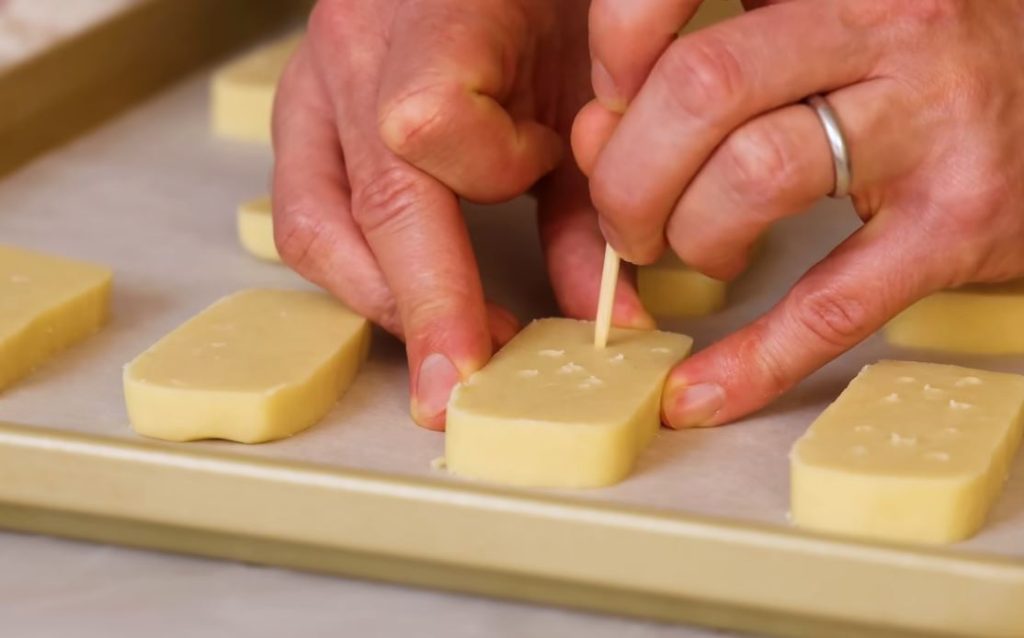
    Why is my shortbread too soft
    Why is my shortbread too soft

    When in a hurry, most people discreetly skip the chill, which is the second place things go wrong. After being worked, the dough needs to be refrigerated for at least thirty minutes, but preferably longer, to firm up again. While baking, cold dough maintains its shape. spreads made with warm dough. Professional bakers discuss chilling dough almost reverently for a reason: it’s physics, not fussy behavior. One baking resource bluntly describes the result of baking soft, warm dough as a “oily-textured biscuit,” and that description is uncomfortable.

    Because it occurs gradually and doesn’t feel like a mistake while you’re doing it, over-mixing is more difficult to detect. When butter and sugar are creamed for an extended period of time, air is added to the mixture. This air expands during baking, causing the biscuits to spread rather than stay firm. It is possible to work against the dough while standing at a mixer and believing you are improving it. Stop when the dough just starts to come together after adding the flour. Enthusiasm is not rewarded by shortbread.

    Although fewer people consider it, dough thickness is a significant factor. If the dough is pressed or rolled out too thickly, the center will never fully cook in the time it takes for the edges to appear done. The biscuit appears golden on the outside, but when you pull the tray, it still has some doughiness and softness underneath. The answer is to roll steadily to about 5 mm and check for doneness by looking for light, even color throughout the top rather than just at the edges where color first appears.

    What happens after the oven is another concern. It’s normal for shortbread to be soft when it first comes out, which surprises people. Moving the cookie too soon could cause it to break or warp before the cooling process is complete because the cookie solidifies as it cools. It’s not optional to leave biscuits on the tray to cool fully. The texture truly settles there.

    It’s difficult to ignore how much of this depends on controlling the temperature at practically every step: adding the butter, letting the dough rest, keeping the oven at a constant temperature, and cooling on the tray. For a recipe with so few moving parts, shortbread is surprisingly harsh. Most of the time, the solution is to use colder butter, give the dough a good rest in the refrigerator, and be willing to leave it alone after mixing. That’s not complicated at all. However, it does call for patience, which may be the component that the recipe subtly calls for but never explicitly mentions.

    shortbread too soft
    Share. Facebook Twitter Pinterest LinkedIn Tumblr Email
    Tiffany Vincent

      Tiffany Vincent is a food and lifestyle writer with a particular weakness for anything that comes out of a British kitchen. She's spent years eating her way across the UK — from roadside chippies to countryside gastropubs — and writing about what she finds there with the kind of honest enthusiasm that doesn't require a Michelin star to appreciate good food.At Friar Street Kitchen, Tiffany covers everything from everyday cooking questions and British supermarket staples to the bigger conversations happening around food, health, and how we eat. Her writing tends to start in the kitchen and end up somewhere more interesting — because that's usually where food takes you if you pay attention.When she's not testing recipes or digging into the latest food trend, she's probably debating the correct way to make a proper cup of tea.

      Related Posts

      Why Is My Bread and Butter Pudding Watery — And What Nobody Tells You About Fixing It

      July 29, 2026

      Why Intermittent Fasting Lost Its Shine for So Many British Women — And What They’re Doing Instead

      July 28, 2026

      Can You Freeze M&S Trifle Without Ruining That Perfect Cream Layer?

      July 27, 2026
      Leave A Reply Cancel Reply

      You must be logged in to post a comment.

      Food

      Why Is My Shortbread Too Soft? The Butter Truth Nobody Tells You

      By Tiffany VincentJuly 29, 20260

      Shortbread has a subtly humble quality. Three components. No leavening. Not a single egg. Nevertheless,…

      Why Did My Toad in the Hole Batter Not Rise — And What You’ve Been Doing Wrong All Along

      July 29, 2026

      Why Is My Bread and Butter Pudding Watery — And What Nobody Tells You About Fixing It

      July 29, 2026

      What Is Beef Dripping Called in America — And Why Does It Sound So Much Better?

      July 29, 2026

      Tyra Banks Weight Gain – The 25 Pounds That Changed How She Talks About Bodies

      July 29, 2026

      Gina Carano Weight Gain Reached 240 Pounds — Here’s the Raw Truth Behind Her Darkest Years

      July 29, 2026

      Teddy Swims Weight Gain – The Untold Story Behind the Body Transformation Everyone’s Talking About

      July 29, 2026

      Lizzy Yarnold Weight Gain After Retirement Is More Complicated Than You Think

      July 28, 2026

      Montez Ford Weight Gain Explained – The Real Story Behind His Six-Month Disappearance

      July 28, 2026

      Erin Moriarty Weight Gain Explained – The Graves’ Disease Diagnosis Nobody Saw Coming

      July 28, 2026
      Use Full Links:
      • About Us
      • Contact Us
      • Disclaimer
      • Home
      • Privacy Policy
      • Terms of Service
      Search Interesting Content Here:
      Recent Posts
      • Why Is My Shortbread Too Soft? The Butter Truth Nobody Tells You
      • Why Did My Toad in the Hole Batter Not Rise — And What You’ve Been Doing Wrong All Along
      • Why Is My Bread and Butter Pudding Watery — And What Nobody Tells You About Fixing It
      • What Is Beef Dripping Called in America — And Why Does It Sound So Much Better?
      Facebook X (Twitter) Instagram Pinterest
      © 2026 ThemeSphere. Designed by ThemeSphere.

      Type above and press Enter to search. Press Esc to cancel.