

On a Saturday afternoon, there’s something almost rebellious about a pot of beef stew over a low flame. Choosing to stand over a stove for two and a half hours, or even four, feels like a quiet act of defiance in a world of air fryer shortcuts and thirty-minute meals. When done correctly, the reward is exceptional.
The cut is the cornerstone of any quality beef stew. What makes a difference is beef chuck, not tenderloin or sirloin. It’s a tougher cut with connective tissue running through it, which may seem problematic until you realize that that connective tissue is precisely what turns into something rich and silky when heated slowly. The most frequent error made by home cooks is to rush that process. Time is needed for the meat. Everything else will fall into place if you respect that.
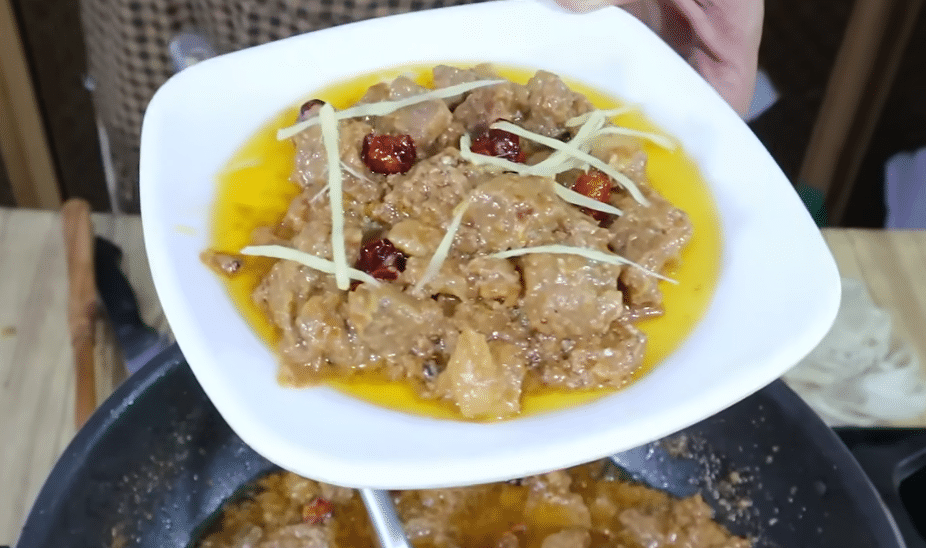
Perhaps the most crucial step that most recipes call for is searing the beef before adding any liquid, but half of home cooks covertly omit it when they’re pressed for time or exhausted. It makes sense. It takes longer, spills oil, and produces smoke in the kitchen. However, no amount of seasoning later on can match the depth of flavor that comes from that caramelization—those dark, slightly charred edges on each cube of beef. With more than 2,700 five-star reviews on their version alone, Spend With Pennies is one of the most highly regarded recipe sources in this area and bases the entire method on that sear. It is evident.
Here, people are divided by red wine. Some cooks treat it as optional, some swear by it, and some stealthily replace it with extra beef broth and move on. The truth is that broth can’t quite match the acidity and complexity that red wine adds. Additionally, it delicately deglazes the pan, bringing up the browned bits that are stuck to the bottom and wasting flavor. Usually, a cup is sufficient. Nothing costly. Something that is not valuable but still drinkable.
The NYT Cooking version, which has over 30,000 ratings and was last updated in September 2026, adopts a slightly leaner strategy with fewer vegetables, a cleaner broth, and a condensed ingredient list. It’s an intriguing discipline. In home cooking, it’s common to assume that more ingredients equate to more flavor, but stew frequently demonstrates the opposite. Here, exercising restraint has its own benefits.
Although vegetables are a matter of taste, there are still some guidelines. Carrots and potatoes are added with enough time to cook through without completely dissolving. If you’re adding peas, add them last—literally the last three minutes—or they will become mushy and gray, making the entire bowl look unappealing. Stew is partly about how it appears in the bowl, which is a minor detail. People don’t realize how important that is.
The majority of recipes differ significantly when it comes to thickening. Before searing, flour-dredging the beef gives the final stew a subtle, natural body. More control and a cleaner finish can be achieved with a cornstarch slurry, which is equal parts cornstarch and cold water, stirred until smooth, and added gradually while the stew bubbles. Either is effective. Adding thickener right at the end and turning off the heat right away is ineffective. After that, let it boil for at least a minute or two; otherwise, the raw, starchy taste persists in a way that is actually disagreeable.
It’s difficult to ignore how this dish unites people from all culinary cultures. Jamie Oliver prioritizes herbs. Serious Eats is more focused on sauce intensity and technique. Approachability is the foundation of RecipeTin Eats. That succulent, falling-apart beef in a sauce thick enough to cover the back of a spoon is what each version is aiming for, though. The final destination is the same every time. The roads are only marginally different.
Serve it with a sauce-absorbing dish. Sourdough slices, buttermilk biscuits, and dinner rolls. Even though the stew is the main attraction, the final piece of bread that is dragged across the bottom of an empty bowl may be the best bite of the entire meal.
FAQs
Q1: What is the best cut of beef to use for stew?
Beef chuck is ideal — its connective tissue breaks down into rich, silky tenderness.
Q2: Can I skip searing the beef before adding liquid?
Skipping it loses the deep caramelized flavor no seasoning can later replace.
Q3: Does beef stew really need red wine?
Yes — it adds acidity and complexity that beef broth alone cannot achieve.
Q4: When should peas be added to beef stew?
Add peas in the final three minutes to prevent them from turning gray and mushy.
Q5: How do you properly thicken beef stew?
Use a cornstarch slurry and let it boil for at least one minute afterward.
