

In medicine, there are times when something changes—not subtly or gradually, but in a way that causes white-coated people to stop in the middle of their sentences and reevaluate what they believed to be true. Last week’s announcement from Milan seemed like one of those occasions. A combination medication called EloraTZP helped adults with type 2 diabetes and obesity lose an average of 23.3 percent of their body weight over 48 weeks, according to data presented by Eli Lilly at the annual meeting of the European Association for the Study of Diabetes. That’s about 54 pounds in actual weight. Absent.
It helps to remember where this field was not too long ago to understand why that number matters. A 5 percent decrease in body weight was regarded as a valid clinical success for many years. The benchmark was then altered by the introduction of GLP-1 medications. Semaglutide garnered media attention. Lilly’s dual GIP/GLP-1 agonist, tirzepatide, which is marketed under the brand names Zepbound and Mounjaro, further improved outcomes, causing comparable populations to lose about 15% of their body weight. At the time, each of those drugs felt unique. If Phase 3 data is accurate, EloraTZP may make them feel inferior.
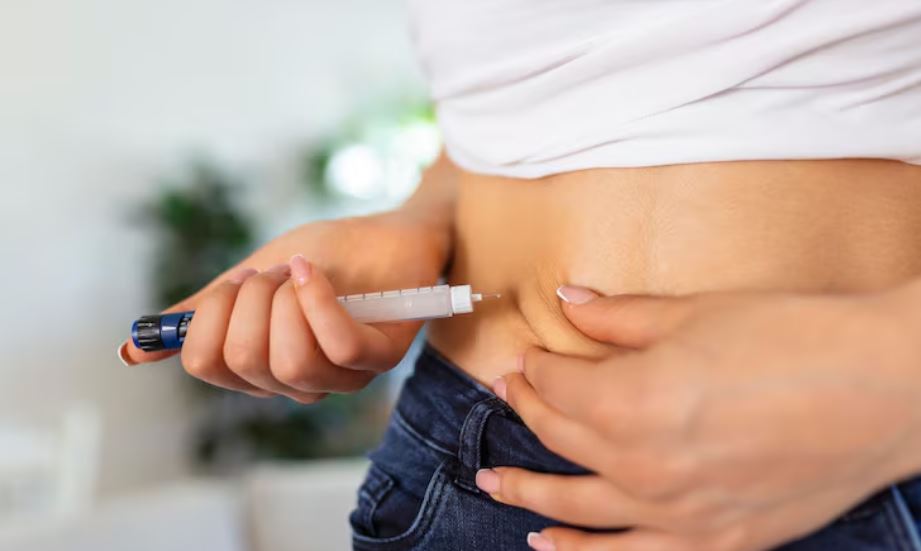
The combination’s underlying science is genuinely fascinating. Eloralintide is a once-weekly medication that mimics amylin, a hormone that is naturally released after eating and indicates fullness. It is a selective amylin receptor agonist. Tirzepatide, on the other hand, targets GLP-1 and GIP receptors, two additional post-meal hormones that control blood sugar and appetite. You can effectively hit the body’s satiety machinery from three different angles at once by stacking all three together. The numbers may appear the way they do because of this multi-pathway approach. However, it is still genuinely unclear if such robust results will withstand the more expansive and messy reality of Phase 3 trials.
The glycemic data that accompanied the weight loss numbers was what made the Milan presentation especially noteworthy. An A1C below the normoglycemia threshold of 5.7 percent was attained by up to 77 percent of participants receiving combination therapy. These individuals started the trial with a mean A1C of 8.1 percent, which means that many of them had poorly controlled diabetes and, at least on paper, had non-diabetic blood sugar levels when they left. During the conference, lead investigator Liana Billings from Endeavor Health in Illinois pointed out that this level of weight loss begins to resemble what metabolic surgery usually accomplishes. Researchers don’t take that comparison lightly.
Observing this market gives the impression that the pharmaceutical weight loss market is expanding more quickly than the surrounding healthcare system can handle. The FDA didn’t approve tirzepatide for obesity until 2023. Supply shortages, insurance disputes, and public skepticism about whether injectable weight loss medications are a true medical solution or a shortcut are still challenges it faces. Additionally, Lilly is already developing a product that significantly outperformed it in a Phase 2 trial. If nothing else, it’s important to observe the disparity between the rate of clinical infrastructure development and drug development.
The picture of tolerability is more intricate. Compared to either medication alone, gastrointestinal side effects—likely nausea—were more frequent in the combination arms and mostly happened during dose escalation. The EloraTZP groups had discontinuation rates ranging from roughly 11 to 27 percent because of adverse events, while tirzepatide alone had a rate of only 2.9 percent. That is a serious issue. The trial data does, however, also point to a potentially significant finding for clinical practice: the gastrointestinal event rate significantly decreased when participants first fully escalated tirzepatide to its 15 mg dose before adding eloralintide sequentially, approaching tirzepatide-only levels while still producing strong efficacy. If verified, that sequencing approach might provide prescribers with a practical way to control tolerability without compromising outcomes.
The ceiling keeps moving so fast that it’s difficult to ignore. A decade ago, most clinicians would have considered the pharmacological goal of what’s being attempted here—basically reproducing and prolonging the metabolic effects of surgery through a weekly injection—implausible. Phase 3 trials with an optimized co-formulation and escalation schedule are anticipated to start before the end of 2026. That’s where the real test begins. For the time being, the Milan data is a clear indication that there is still a long way to go in the field of treating obesity.
FAQs
1. What is EloraTZP?
It’s a combination of eloralintide and tirzepatide targeting three appetite-regulating hormone pathways simultaneously.
2. How much weight can EloraTZP help people lose?
Participants lost up to 23.3% of body weight, roughly 54 pounds, over 48 weeks.
3. Does EloraTZP also help control blood sugar?
Yes — up to 77% of participants achieved normal blood sugar levels by week 48.
4. What are the main side effects?
Gastrointestinal effects, mostly mild, occurring mainly during the dose escalation phase.
5. When will EloraTZP be available to the public?
Phase 3 trials are planned for late 2026; public availability remains several years away.
