

A whole wall devoted to reducing carbohydrates can be found in the health section of any bookstore. Paleo, Atkins, low-carb, and keto have all had their moment, with famous people endorsing them and their before-and-after pictures appearing on magazine covers. For decades, people have been taught that carbohydrates are the issue and that getting rid of them is the answer. It’s a neat story. It probably misses the point as well.
There is mounting evidence that the carbohydrate itself may not be as important as what comes with it. The portion of a carbohydrate that your body cannot digest, fiber, seems to be performing far more metabolic work than most people are aware. Additionally, the fact that about 95% of Americans don’t eat nearly enough of it may help to explain why many people find managing their weight to be extremely challenging.
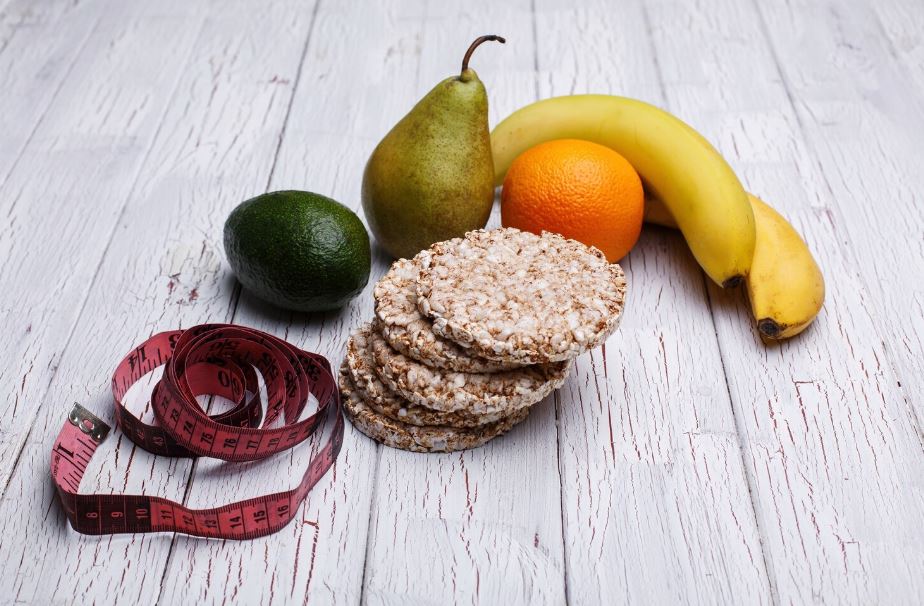
The entire discussion about carbohydrates may have been misrepresented from the beginning. Beans, oats, brown rice, apples, and leafy greens are examples of whole, unprocessed carbohydrates that almost always come naturally bundled with fiber. In these foods, the ratio of total carbohydrates to fiber is typically closer to 5-to-1 and rarely surpasses 10-to-1. When that fiber is removed through processing, you are left with white bread, white rice, packaged snacks, and breakfast cereals that enter the bloodstream almost instantly, raising blood sugar levels and essentially doing nothing to let your body know when it is full.
The distinction is very important. In the digestive system, soluble fiber, which can be found in oats, chia seeds, apples, lentils, and blueberries, dissolves in water and forms a thick gel. The stomach’s emptying process is physically slowed by that gel. Food stays around longer. It takes longer to digest. The end effect is a prolonged sense of fullness that can practically cause someone to eat less without actively monitoring their caloric intake or resisting hunger. Pectin, beta-glucans, psyllium, and glucomannan are examples of viscous fibers that are particularly good at this, and studies have specifically connected them to decreases in abdominal fat, the type linked to metabolic disease rather than just appearance.
Something else is going on at the microbial level that should be given more consideration than it usually receives. The gut microbiome, which is made up of an estimated 100 trillion bacteria deep within the large intestine, is primarily fueled by fermentable, prebiotic fiber. When they break down fiber, they create short-chain fatty acids that nourish the colon’s lining cells, lower intestinal inflammation, and—this is the part that relates to the popular weight-loss medications that are currently making headlines—stimulate the same gut hormones that drugs like Ozempic and Wegovy are intended to activate. It turns out that both the pharmaceutical and natural pathways are going in the same direction. Simply put, fiber travels more slowly.
A diet high in fiber also seems to suppress chronic low-grade inflammation, which is the kind that simmers quietly for years and causes heart disease, type 2 diabetes, and some types of cancer. Prebiotic fiber-fed gut bacteria create substances that reduce inflammation. It is a gradual, cumulative effect that is likely undetectable until it is not. The fiber gap in the Western diet is perceived as more than just a small nutritional oversight; it may be subtly contributing to the whole range of chronic illnesses that characterize public health in affluent nations.
All of this does not negate the benefits of low-carb diets. They can improve blood pressure and inflammatory markers, induce ketosis, and aid in short-term weight loss. However, some versions eliminate the very foods that contain the fiber that provides all that protection, such as whole grains, legumes, and some fruits. Large population studies continue to link the Mediterranean diet, which is rich in carbohydrates from plants, to the longest, healthiest lives. Recognizing that different types of carbohydrates behave differently in the body is necessary to reconcile that fact with the advantages of low-carb diets.
A daily intake of 25 to 35 grams of fiber is advised. The average person gets about fifteen grams. It doesn’t take a drastic dietary change to close that gap; instead, it might be as simple as substituting brown rice for white rice, going with whole fruit instead of juice, adding lentils to a soup, or starting the day with oats rather than processed cereal. For long-term weight management, minor changes in food sourcing combined over several months may be more effective than any elimination diet. As the keto and low-carb industries grow, it’s difficult not to wonder if the easier solution was always sitting quietly in a bowl of porridge.
FAQs
Q1: Why might fibre matter more than cutting carbs for weight loss?
Fibre slows digestion, reduces hunger, and targets belly fat naturally.
Q2: How much fibre should adults eat daily?
Adults need 25 to 35 grams of fibre every day.
Q3: What foods are richest in weight-loss-friendly fibre?
Oats, lentils, apples, chia seeds, and beans are top sources.
Q4: Can fibre really mimic the effects of weight loss drugs like Ozempic?
Fibre activates the same gut hormones that Ozempic pharmaceutically targets.
Q5: What happens when you don’t eat enough fibre?
Low fibre intake is linked to obesity, diabetes, and chronic inflammation.
