

At seven in the morning, a blender is operating in a small kitchen in Manchester, Melbourne, or Karachi, and the person using one hand to keep the lid down is using the other to check their phone. More than any nutrition study, that picture explains why smoothie plans keep coming up. They move quickly. They are understanding. Additionally, they don’t ask you to cook when you’re having trouble finding your shoes.
Because it no longer pretends to be a cleanse, the vegetarian version of the seven-day smoothie plan has quietly emerged as the most sensible of the group. It’s easy to sum up the structure in one sentence: eat a proper vegetarian dinner after substituting one or two meals a day with a blended drink that contains fruit, greens, protein, and some fat. The overall consumption falls between 1,200 and 1,500 calories. Nothing unusual. No powders were transported from a warehouse located in a different hemisphere.
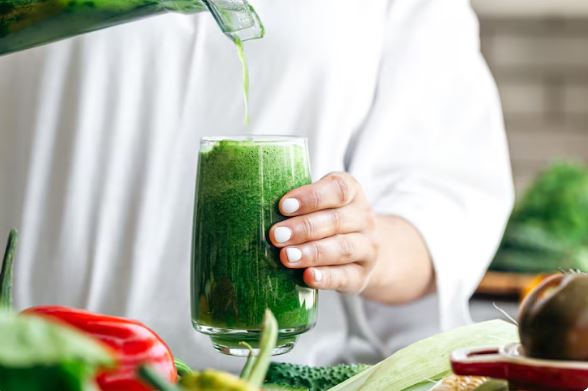
Day one typically consists of spinach, frozen berries, chia, and a scoop of plant protein. Day two is tropical: half a banana, flaxseed, coconut water, mango or pineapple. There is peanut butter and banana with kale hiding underneath by day three, when most people begin to miss texture. If anyone survives to day seven, it might be because of the peanut butter day. Avocado with raw cacao, peach and ginger, apple and oats with cinnamon, and cucumber, pineapple, and mint—the lightest and least diet-like—come later in the week.
7-Day Vegetarian Smoothie Plan — Daily Breakdown
| Day | Smoothie Name | Ingredients | Liquid Base | Why It Works |
|---|---|---|---|---|
| Day 1 | Spinach Berry Protein | 1 cup spinach, ½ cup mixed frozen berries, 1 scoop plant protein, 1 tbsp chia seeds | 1 cup unsweetened almond milk | Low-sugar start; berries and chia keep fibre high without spiking blood sugar |
| Day 2 | Green Tropical Glow | 1 cup spinach, ½ cup frozen mango or pineapple, ½ banana, 1 tbsp flaxseed | 1 cup coconut water | Natural electrolytes plus omega-3 from flax; lighter feel after day one |
| Day 3 | Peanut Butter Banana Crunch | 1 small banana, 1 tbsp natural peanut butter, 1 scoop plant protein, 1 cup kale | 1 cup oat milk | The satiety day — fat and protein together carry you well past midday |
| Day 4 | Avocado Cacao Blast | ¼ avocado, 1 tbsp raw cacao powder, 1 scoop vanilla or chocolate protein, 1 cup spinach | 1 cup cashew milk | Handles the mid-week chocolate craving; avocado adds creaminess and healthy fat |
| Day 5 | Peach Ginger Zest | 1 cup frozen peaches, ½ inch fresh ginger (peeled), 1 scoop protein, 1 tbsp chia seeds | 1 cup light coconut milk | Ginger aids digestion and settles bloating; peaches keep sugar moderate |
| Day 6 | Apple Cinnamon Oat | ½ green apple, 2 tbsp rolled oats, pinch of cinnamon, 1 scoop plant protein, 1 cup spinach | 1 cup almond milk | Oats add slow-release carbs; cinnamon helps steady blood sugar |
| Day 7 | Refreshing Cucumber Mint | 1 cup chopped cucumber, ½ cup pineapple, 5 mint leaves, juice of ½ lemon, 1 tbsp chia seeds | 1 cup plain water | The lightest blend — high hydration, very low calorie, gentle finish to the week |
Suggested dinner pairings (solid meal, roughly 350–450 calories):
| Day | Dinner Option |
|---|---|
| Day 1 | Lentil soup with a side of mixed greens |
| Day 2 | Tofu and vegetable stir-fry with a small portion of brown rice |
| Day 3 | Chickpea salad with cucumber, tomato and olive oil dressing |
| Day 4 | Vegetable curry with red lentils, no rice or half portion |
| Day 5 | Roasted vegetables with white beans and lemon |
| Day 6 | Paneer or tofu tikka with sautéed spinach |
| Day 7 | Clear vegetable soup with a small quinoa salad |
The fiber and protein are what set this apart from the juice fasts of ten years ago. The entire fruit, including the seeds, is preserved when it is blended. Flaxseed and chia slow down and thicken the beverage. The unglamorous task of keeping you full past ten o’clock can be accomplished with a scoop of protein powder. A well-made smoothie is just a meal in a different physical state, according to dietitians who used to reject the entire category. That represents a significant change in the profession’s tone.
However, there is cause for caution. If you allow it, a week of consuming the majority of your calories can instill negative habits, the most significant of which is the notion that chewing is not necessary in the long run. Additionally, there is the sugar issue. You can make a spinach-based dessert by loading a blender with dates, bananas, and mangos. Plans that are successful limit the amount of fruit to about half a cup and allow the greens to take center stage.
People don’t realize how important the dinner rule is. The anchors include lentil soup, a stir-fry of tofu and vegetables, and a salad loaded with chickpeas. If you ignore them, by Thursday you’ll be agitated and standing in front of the refrigerator at midnight—exactly how these weeks fall apart.
It’s difficult to ignore the pattern as you watch this trend repeat. The basic concept remains the same—eat a little less, eat more plants, and drink more water—but the packaging changes every few years: detox, reset, challenge, glow-up. A fairly old piece of advice is delivered via the blender.
What transpires on day eight determines whether or not anyone maintains their weight loss, and the recipe cards hardly ever include that information. A routine that had strayed can be stabilized with a week of smoothies. It won’t do much by itself. For the majority of people, the real victory isn’t the score on the scale by Sunday night; rather, it’s realizing they can make something green and filling in just four minutes, and they might even do it again on Tuesday.
