

One of those things that people assume is simple is gaining weight—just eat more, the reasoning goes. However, the reality is more complicated than that, as anyone who has actually attempted to gain mass without feeling overly full or turning to gas station snacks will attest. Willpower is not the issue. It’s a tactic. In particular, the majority of high-calorie eating strategies either call for an excessive number of separate dishes, excessive preparation, or an excessive tolerance for food that tastes unappealing.
At that point, the one-bowl strategy begins to make a lot of sense. When constructed properly, a single bowl can contain 700 or more calories and still taste like something you would want to eat. No complex meal preparation. No protein shakes with a subtle chalk odor. Just genuine ingredients mixed with some purpose.
The PB-Banana Oatmeal Bowl, which has about 730 calories, is the first option that is worth learning about. It consists of rolled oats cooked in whole milk instead of water, which adds significant calories and a creaminess that water just cannot match. Two tablespoons of peanut butter, a banana slice, and a honey drizzle are added on top. It’s a non-clinical breakfast. It reminds me of breakfast.
The Greek Yogurt Power Bowl, which has about 750 calories, comes next. The base is made of full-fat Greek yogurt, which is layered with chia seeds, a mixture of almonds and walnuts, and dense granola. There is a lot of quiet work being done by the fat content. Adding a handful of nuts to a bowl is more than just flavor; it’s an effective way to deliver calories because fat has nine calories per gram as opposed to four for protein or carbs. A bowl with this texture also has a satisfying quality. It captures your interest in a manner that a protein shake just cannot.
The Beef and Cheese Pasta Bowl, which has about 850 calories, is a more substantial option in the evenings. The combination of lean ground beef, marinara, and shredded cheddar cheese with penne pasta is well-known and doesn’t require much explanation. The combination of the high-protein beef and the high-fat cheddar gives this dish its high calorie density. Although the formula is simple, it consistently produces the desired results.
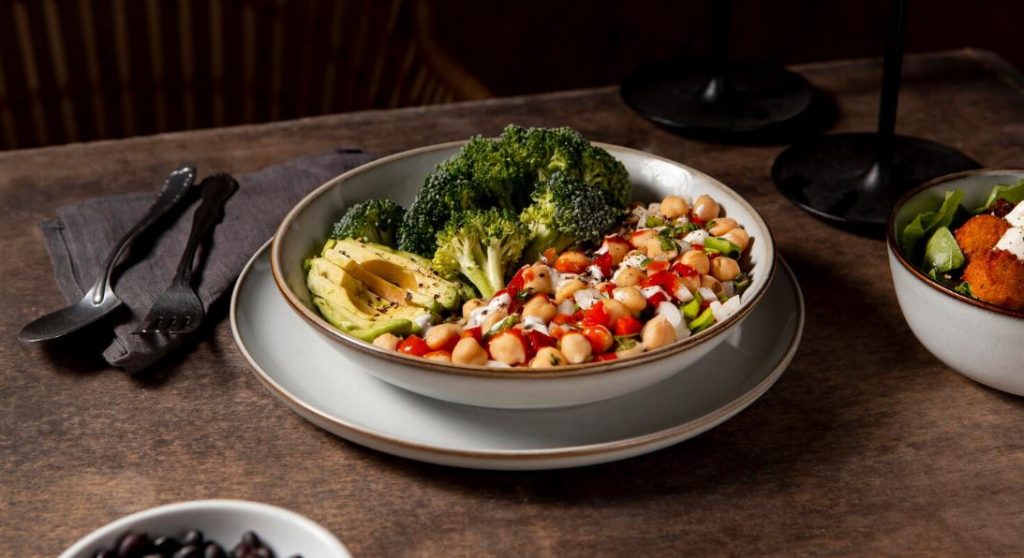
Anyone who enjoys meals that feel lighter even though they are high in calories should pay attention to the Avocado Tuna Rice Bowl. A tablespoon of olive oil, a whole chopped avocado, and oil-packed tuna are placed on top of the white rice base. There are about 725 calories in that combination. A tiny but significant detail is the oil-packed tuna, which adds a richness that completes the bowl without the need for anything extra and contributes a lot more calories than water-packed alternatives.
The Chocolate Peanut Butter Smoothie Bowl deserves a spot on this list because it blurs the distinction between meal and dessert. Thickly blended with whole milk, whey protein, peanut butter, banana, oats, and cacao nibs, it contains roughly 710 calories and is more of a treat than a chore. It takes less than five minutes to prepare and requires very little cooking experience, making it perhaps the most portable concept here.
The most meal-prep-friendly of the seven is the Chicken Quinoa Burrito Bowl, which has about 740 calories. Black beans, sour cream, and guacamole are served over quinoa with grilled chicken thighs, which have a higher fat content and a much better flavor than breast. It is truly practical for anyone cooking in larger batches because it is filling in the manner that a proper meal should be and keeps well in the refrigerator for a few days.
At about 700 calories, the Cottage Cheese Fruit and Nut Bowl completes the list. chopped walnuts, dried cranberries, banana slices, and full-fat cottage cheese. This combination is the most straightforward and perhaps the most underappreciated. When combined with the calories from walnuts and dried fruit, cottage cheese’s protein density—which is easy to ignore—creates a bowl that is substantial in quantity but light in texture.
A certain practicality unites these seven choices. None of them call for unusual cooking techniques or specialty ingredients. They are constructed using foods that are already found in most kitchens. Above all, they approach the goal of gaining weight as something that can be accomplished through consistency rather than extremism, which is the strategy that works for the majority of people.
